Putin’s Perspective on the Russia-Ukraine War

22 Trần Quốc Toản, Phường Võ Thị Sáu, Quận 3, Tp.HCM
Tiêu điểm
BĐS: Bất động sản dẫn đầu thị trường trái phiếu VH & TG: harari Chiến Tranh Iran Ngày 34 Tiền Tệ : Nợ xấu 2026: Thách thức và giải pháp Tiền Tệ : Buffett Tích Tiền: Dấu Hiệu Kinh Tế CN & MT: Chuyên gia phương Tây thừa nhận: "Chúng ta sai lầm rồi", phải sao chép Trung Quốc ngay thôi kẻo quá muộn CN & MT: Siêu El Nino 2026 có thể mạnh nhất thế kỷ, Trái đất tiến tới mốc nhiệt nguy hiểm mới CN & MT: Gần 1.000.000 nhân viên công nghệ mất việc sau 6 năm vì AI: Cơn lốc sa thải càn quét Silicon Valley, kỷ nguyên 'kỳ lân 50 người' chính thức bắt đầu CN & MT: AI và Thất nghiệp: Thực trạng 2026-2035 BĐS: Bất Động Sản: Gánh Nặng Ngân Hàng BĐS: Dự báo 3 kịch bản cho thị trường bất động sản quý II CN & MT: Điện hạt nhân phục hưng giữa những bất ổn năng lượng toàn cầu CN & MT: Trung tâm năng lượng tích hợp: Bài toán chiến lược của Petrovietnam BĐS: Nhóm DN bất động sản chìm trong thua lỗ, 'trắng' doanh thu quý I CN & MT: Dông lốc, mưa đá còn xuất hiện nhiều và khốc liệt hơn do El Nino Tin tức: Kinh tế Việt Nam 2026: Nỗ lực tăng tốc và vùng nhiễu động Tin tức: Khoảng 109.000 doanh nghiệp đã rút lui khỏi thị trường trong 4 tháng đầu năm CN & MT: Dòng tiền ồ ạt đổ vào năng lượng sạch giữa khủng hoảng Trung Đông BĐS: Doanh nghiệp bất động sản chìm trong thua lỗ SK & Đời Sống: Hơn nửa lao động toàn cầu đang chán việc VH & TG: Thế giới lo cạn khí đốt, TQ đã "tính trước" 20 năm: Lời chỉ đạo của ông Tập Cận Bình và chiến dịch táo bạo Tin tức: Bài phát biểu chính sách đối ngoại Nhật Bản-Việt Nam VH & TG: Nước cờ Trump và ASEAN 2026 Tiền Tệ : Lạm phát cao, đơn hàng giảm Tiền Tệ : VIFC: dòng vốn không chỉ cần nơi đến mà cần nơi để ở lại Thư Giản: Đại Biến Động Thế Kỷ 21: Vận 9 Thư Giản: Con người trần gian và hành trình vũ trụ Thư Giản: [2020s: Một thập kỷ rung động] Thư Giản: Abhigya Anand và dự báo 2026 Thư Giản: Dự đoán Điểm kỳ dị các vị trí q3 SK & Đời Sống: Những dự báo về tương lai con người từ một thế kỷ trước Thư Giản: Gemini đã dự cảm khá rỏ dưới lăng kính của mac ngôn thé giới từ 2050. Nhưng từ 2010 ở... SK & Đời Sống: Phường có mật độ dân số cao nhất Việt Nam, gấp 12 lần Hồng Kông (Trung Quốc), 10 lần Singapore : Trật tự thế giới trước nghịch lý lớn của thời đại Chứng khoán: Đầu tư nội địa giữa bất ổn toàn cầu : Nếu không sửa luật, dự án bất động sản sẽ tắc trong 10 năm tới CN & MT: Chọn hybrid thay vì xe điện: Bước đi đẩy những gã khổng lồ ô tô Nhật Bản đến bờ vực sinh tồn? VH & TG: So sánh phát triển 200 năm trước Tin tức:  SIÊU CẢNG 5 TỶ USD CẦN GIỜ CHỐT NHÀ ĐẦU TƯ – “ÁT CHỦ BÀI” LOGISTICS CỦA VIỆT NAM LỘ DIỆN CN & MT: Giải mã nắng nóng 2026: Nếu siêu El Nino xảy ra, thời tiết Việt Nam chịu ảnh hưởng thế nào? Tin tức: Tăng trưởng hai con số, tăng quy mô giảm số lượng dự án Tin tức: Sức mạnh hãng tàu lớn nhất hành tinh vừa quyết đầu tư vào siêu cảng 128.872 tỷ đồng của Việt Nam: Doanh thu 86 tỷ Euro, nắm 20% năng lực vận tải toàn cầu VH & TG: Cuộc sống về già của thế hệ đầu tiên chọn 'không con cái' CN & MT: Trung Quốc: Chuyển đổi năng lượng toàn cầu then chốt CN & MT: Từ Mặt Đất Đến Sao Hỏa: Tương Lai Tin tức: 'Đừng cố giấu sai lầm cũ bằng cách tạo ra sai lầm mới' Tin tức: Đường Sắt Bắc-Nam: Logistics Tối Ưu Tin tức: Cụm cảng Cái Mép - Cần Giờ 2032 Tin tức: Chỉnh hướng kinh tế Việt Nam 2026 CN & MT: Pin lưu trữ năng lượng và yêu cầu tái cấu trúc hệ thống điện Việt Nam CN & MT: Từ những mái nhà phủ pin mặt trời đến bài toán 136 tỷ USD cho điện VH & TG: Nơi nóng nhất Trái Đất không phải xích đạo CN & MT: Phi hành đoàn Mặt Trăng vượt qua quả cầu lửa 3.000 độ C Tin tức: Đã tìm được nhà đầu tư cho dự án cảng Cần Giờ BĐS: Bất động sản TP.HCM: Thanh khoản "đóng băng" VH & TG: Những nghịch lý giá dầu VH & TG: Dự báo Chiến tranh Iran Quý 2/2026 BĐS: Dòng tiền lớn “vẽ lại bản đồ”, nhà đầu tư bất động sản buộc thay đổi cuộc chơi VH & TG: Cách tiếp cận của bạn về "nước cờ đôi" của ông Trump thực sự là một quan sát bậc thầy... VH & TG: Cuộc chiến Iran có ý nghĩa gì đối với Trung Quốc? CN & MT: 40% diện tích Đồng bằng sông Cửu Long sẽ ngập nếu nước biển dâng một mét CN & MT: 'Cục pin’ khổng lồ đầu tiên của hệ thống điện Việt Nam SK & Đời Sống: Tinh thần thời đại Z Thư Giản: Dự báo Xích Mã Hồng Dương 2026 CN & MT: Chiến lược không gian Mỹ và dự báo Brzezinski Tiền Tệ : Nợ xấu ngân hàng vượt 10 tỷ USD: Không phải BIDV hay VPBank, đây mới là nhà băng có nhiều nợ xấu nhất Tiền Tệ : Mỗi ngày vay hơn 2.600 tỷ đồng: Áp lực và lộ trình trả nợ công của Việt Nam ra sao trong năm 2026? CN & MT: Tương lai Đại dương và Hồi phục Sinh thái Thư Giản: Địa Chính Trị và Dịch Lý: Vận Thế Thư Giản: Bính Ngọ 2026: Điểm Gãy Lịch Sử SK & Đời Sống: Việt Nam đối mặt địa chấn kinh tế SK & Đời Sống: Di dân: Sức khỏe, chất lượng sống, tái định nghĩa BĐS: 3 “ông lớn” chia thị phần bất động sản TP.HCM năm Bính Ngọ: Vinhomes làm siêu dự án ngoại ô, Masterise tiếp tục giữ trung tâm, Sun Group đánh thức vùng ven sông SK & Đời Sống: Bùng nổ các đại đô thị Tiền Tệ : Phân tích hệ thống ngân hàng Việt Nam 2026 SK & Đời Sống: Tái cấu trúc KCN Việt Nam quanh cảng Tiền Tệ : Chân dung người được chọn vào ghế Chủ tịch Fed: 35 tuổi đã vào Hội đồng Thống đốc, nổi tiếng với lập trường cứng rắn về nới lỏng tiền tệ Tiền Tệ : Luật Tiền Mới: Thanh Lọc Hay Sụp Đổ? SK & Đời Sống: Cô đơn: Xu hướng xã hội Việt Nam BĐS: Mặt bằng trung tâm TP.HCM: Thực trạng và dự báo VH & TG: Chiến lược An ninh Quốc gia Mỹ: Răn đe Trung Quốc Chứng khoán: 150 nhà đầu tư toàn cầu đến Việt Nam tìm cơ hội "giải ngân" VH & TG: Nhật Bản cân nhắc vũ khí hạt nhân Chứng khoán: PHẦN 3: THỊ TRƯỜNG THĂNG HOA XUẤT TƯỚNG NHỮNG 'ANH HÙNG' Chứng khoán: VN-Index mất gần 30 điểm Chứng khoán: Mía đường Cao Bằng (CBS) chốt quyền trả cổ tức bằng tiền tỷ lệ 30% Chứng khoán: CHỨNG KHOÁN QUÝ 4.2025 Kì 2 BĐS: Không đánh đổi giá nhà lấy tăng trưởng viển vông! BĐS: Thực trạng phân khúc nhà liền thổ tại TPHCM BĐS: 5 lưu ý khi đầu tư LƯỚT SÓNG bất động sản BĐS: Đất ở ổn định 20 năm, không có khiếu kiện, tranh chấp có được cấp sổ đỏ hay không BĐS: Hơn 32.000 căn nhà ở xã hội gần TP.HCM trong kế hoạch xây dựng năm 2025 của Long An
Bài viết
Putin’s Perspective on the Russia-Ukraine War

    Russian President Vladimir Putin did something unprecedented last week: He held a two-hour press conference directed at the American public. It was not exactly a press conference, in the sense that Tucker Carlson, a talk show host perceived as sympathetic toward Russia, was the only reporter present. But neither was it, strictly speaking, an interview, as for most of the program, Putin held forth without the benefit of questions. In a sense, this made it more valuable because it allowed Putin to set out his views in an interesting and important way that might not have been possible had Carlson asked questions that were focused on an American perspective.
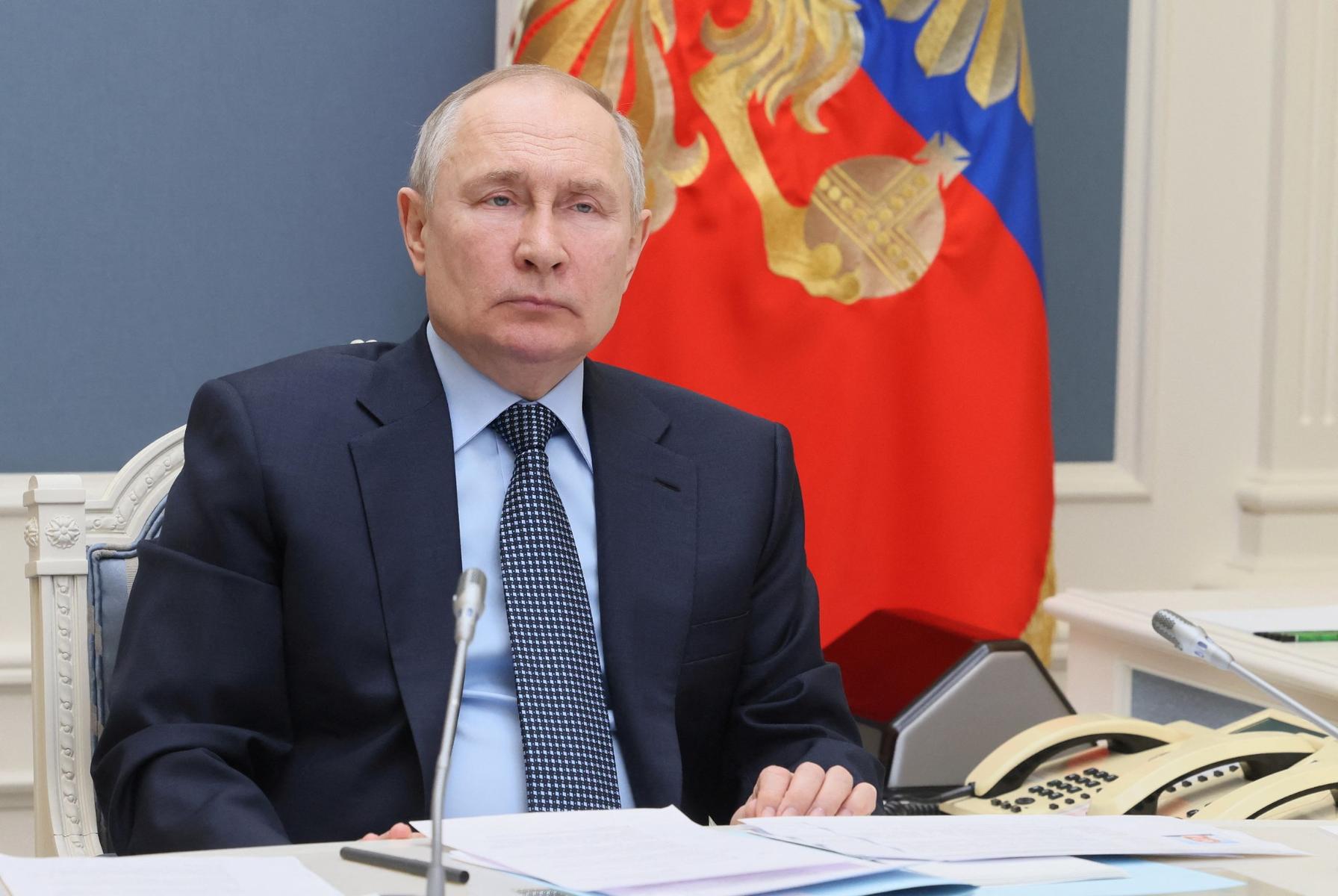
    From Gatherer of Lands to Gravedigger: A Political Assessment of Putin's War  on Ukraine | RAND

    Instead, we got a genuine Russian perspective on the war in Ukraine, and Putin appeared to be a reasonable and thoughtful man. He made some very dubious claims, but every leader makes dubious claims while appearing statesmanlike, and Putin’s behavior drove home to an American audience that his position is not without some merit. He also made clear that he is a Russian patriot working for Russian interests, and it is in this spirit that we should take his claims. He did not want to appear like Stalin. He also seemed enormously knowledgeable, far beyond most politicians, though he did have the advantage of knowing what was to be said as well as a translator who always stood between him and his audience. But I believe this was Putin, helped by prepackaged questions, providing a sense of his broad knowledge. If this worked, then he showed that Russia was ruled by a sophisticated thinker. However, given the interview’s length and complexity, the American public may have given up early and not listened to the complete interview.

    Still, the historical context, the targeting of an American audience, and the extraordinarily detailed description of Russia and Russian history seem to be setting the stage for negotiations. In defense of Russia’s attack, Putin charged the U.S. and NATO with dishonesty and duplicity in facing Russia, which was simply pursuing its historical imperative. This was no ordinary program, nor was it self-indulgent rambling; Putin’s emphasis on the failure of negotiations in Turkey early in the war makes this clear.

    Putin’s central presentation concerned Russian history. He explained how Russia was formed many centuries ago and contrasted this with Eastern Europe’s formation. In this way he argued that Ukraine had always been part of Russia, physically and linguistically. Unstated but implicit in his argument, Ukraine is Russia, and the invasion of Ukraine simply represents the Russian world’s return to an older reality. This is why, according to Putin, Russia’s actions in Ukraine constitute a special military operation and not an act of war. He also spoke of Poland, hinting that Poland and Lithuania are renegades whose roots are inseparable from Russia. The discussion of Russian history was lengthy, but it was not merely academic. Putin’s argument was that history binds a place to its surroundings and its inhabitants and, in this case, gives Russia the right to make claims on foreign territory. I admired the way he slipped in his claims to the region in a way that might be dismissed or overlooked. He did, however, lay the foundation for Russian claims in Poland.

    Some of what Putin said was confusing. For example, he asserted that the current Ukrainian government and its predecessors were Nazis and therefore were an enemy of Russia. He cited two men who had become Nazi collaborators before concluding that this made Ukraine a remnant of Nazi Germany and therefore hostile to Russia and other countries that had fought Hitler. This left me confused, as there is no country that was occupied by the Germans that didn’t have collaborators, from France to the Netherlands and so on. Some may have been ideologically Nazis, but all were seeking to survive or prosper. Putin made this argument from the beginning, but if followed logically it would compel Russia to invade most of Europe as a moral obligation. Putin showed himself to be highly sophisticated, so he must understand what he is saying and depend on the world to not understand his claims or take them seriously.

    In another part, while expressing his readiness to negotiate, Putin said the United States was damaging itself by using the dollar to compel foreign powers to align with its worldview. He then claimed, in his most baffling remarks, that China’s economy dwarves America’s and that its economic future is bright. It is as if he has missed China’s reality in the two years since Ukraine was attacked. He said this in the context of claiming that a new economic order is emerging, and for that to happen, China must drive it. It is interesting that Putin’s seriously deep analysis of things, even if parts are debatable, concluded with obviously wrong assertions, but he was at it for a long time and was probably tired.

    One other thing that struck me was his remarks about Russia’s intercontinental hypersonic missiles. The speed and maneuverability of hypersonics make defense against an attack – in the U.S. or elsewhere – very difficult. I advocated the development of intercontinental hypersonics in my book “The Future of War.” The U.S. has not yet fielded a hypersonic missile, nor do I have any evidence that it is developing an intercontinental version. If Russia’s intercontinental hypersonic missile is as capable as Putin suggested, then that may have been the most significant thing he said.

    The rest of Putin’s remarks consisted of complaints about NATO and the United States and his insistence that the uprising in Kyiv in 2014 was the real beginning of the war. He left unexplained how Russia could have ignored such a terrible threat for so long.

    Putin is the president of a modern nation-state, so he must explain his policies to his people and try to influence other governments and foreign publics. The goal is not to be truthful but persuasive in order to put other governments under carefully shaped pressure. What can be said is that Russia has stepped fully into modernity with an excellent presentation of truth and myths while allowing Carlson a few rebuttals. Putin saw him as friendly but a wild card, so few cards were dealt to him.

    By George Friedman
    THỐNG KÊ TRUY CẬP
    • Đang online 8
    • Truy cập tuần 372
    • Truy cập tháng 6732
    • Tổng truy cập 665912