A critical system of Atlantic Ocean currents could collapse as early as the 2030s, new research suggests

22 Trần Quốc Toản, Phường Võ Thị Sáu, Quận 3, Tp.HCM
Tiêu điểm
VH & TG: Trung Quốc tiến hành 'cuộc chiến' dài hạn với Mỹ, định hình lại trật tự tài chính toàn cầu Tiền Tệ : Lãi suất mới: Thực tế và dự báo Tin tức: 6 đề xuất đột phá chiến lược của Tập đoàn Vingroup VH & TG: Hòa Bình Potemkin: Nguy Hiểm Giả Tạo Tin tức: Bất động sản, vốn, tiền tệ: Liên kết hiện tại Tin tức: Bất Động Sản Việt Nam: Khác Trung Quốc CN & MT: Điều Hòa: Lối Thoát Hay Bẫy Nhiệt Tiền Tệ : NHNN nói lý do miễn 'room tín dụng' cho 18 dự án Vingroup, Sun Group, Masterise CN & MT: WHO: Đợt nắng nóng ở châu Âu mới chỉ là 'cuộc diễn tập' cho tương lai Tin tức: Mô hình đổi mới kinh tế Việt Nam Tin tức: Vingroup : Quy hoạch ngược từ tương lai BĐS: Thị trường bất động sản 6 tháng cuối năm: “Cửa sổ” cơ hội nay “nước mắt” thanh khoản? Tin tức: Từ thương cảng Sài Gòn đến siêu cảng Cần Giờ CN & MT: El Nino có thể mạnh nhất trong 70 năm, nhiệt độ Thái Bình Dương tăng vọt Tiền Tệ : Tín dụng, Lãi suất 2026: Thận trọng Tin tức: suy nghĩ từ Dragon Capital: Kiến nghị phát triển kinh tế 7.2026 Tiền Tệ : Quy luật 40% và bong bóng tài chính 2026- 2028 CN & MT: Biến đổi khí hậu 2026 Chìa khóa, quán tính và tương lai VH & TG: Tại sao xung đột cảm thấy liên tục bây giờ VH & TG: Chúng ta có thể đang bước vào thời đại trục thứ hai CN & MT: Pháp phá vỡ hơn 100 kỷ lục nhiệt độ cao nhất mọi thời đại CN & MT: CEO GOOGLE: BONG BÓNG AI CÓ THỂ VỠ, KHÔNG NÊN MÙ QUÁNG TIN TƯỞNG AI BĐS: Bong bóng bất động sản - Phần 2: Khi giá nhà vượt xa thu nhập BĐS: Bong bóng bất động sản - Phần 1: Nghịch lý thiếu vốn của nền kinh tế Tin tức: Tương Lai Lõi Trung Tâm TP.HCM 2030 CN & MT: Đảo nhiệt đô thị gia tăng áp lực nắng nóng ở TP Hồ Chí Minh CN & MT: Lịch Sử Phát Triển Văn Minh 1000-1200 CN & MT: Ấn Độ chuẩn bị kịch bản ứng phó El Niño mạnh đe dọa mùa gió mùa khô hạn BĐS: Một phân khúc BĐS từng rất phổ biến đã biến mất khỏi thị trường, chuyên gia chỉ ra xu hướng mới CN & MT: Phục hồi rừng: Thành tựu và thách thức SK & Đời Sống: TP.HCM phác họa tầm nhìn 100 năm: Siêu đô thị đa trung tâm, kết nối biển, dẫn dắt tăng trưởng khu vực SK & Đời Sống: Đô thị hữu cơ - Một logic khác cho đô thị mới SK & Đời Sống: Sài Gòn trong tư liệu cổ: Một đô thị sinh ra để hướng biển Thư Giản: 300 Năm Phát Triển Và Cái Giá Thư Giản: Tương lai 2026-2035: Kịch bản BĐS: Nhóm DN bất động sản chìm trong thua lỗ, 'trắng' doanh thu quý I : Trật tự thế giới trước nghịch lý lớn của thời đại Chứng khoán: Đầu tư nội địa giữa bất ổn toàn cầu : Nếu không sửa luật, dự án bất động sản sẽ tắc trong 10 năm tới VH & TG: Chương trình 3 triệu căn nhà: Indonesia và bài toán an cư cho người thu nhập thấp Tiền Tệ : Tín dụng xanh, rủi ro ESG Việt Nam VH & TG: NHẬT BẢN ĐỐT 73 TỶ USD CỨU ĐỒNG YÊN - HAY ĐANG GIĂNG BẪY TÀI CHÍNH CẢ THẾ GIỚI? SK & Đời Sống: Trật tự vỉa hè và linh hồn của đường phố SK & Đời Sống: Đi tìm sức sống đô thị VH & TG: Phỏng vấn Maud Quessard: “Trump đang hoàn thành quá trình Giải Tây Phương hóa (désoccidentalisation) thế giới mà Putine và Tập mong muốn” SK & Đời Sống: Khủng hoảng nhà ở và tương lai trẻ SK & Đời Sống: Hơn nửa lao động toàn cầu đang chán việc CN & MT: Phi hành đoàn Mặt Trăng vượt qua quả cầu lửa 3.000 độ C Thư Giản: Đại Biến Động Thế Kỷ 21: Vận 9 Thư Giản: Con người trần gian và hành trình vũ trụ Thư Giản: [2020s: Một thập kỷ rung động] Thư Giản: Abhigya Anand và dự báo 2026 Thư Giản: Dự đoán Điểm kỳ dị các vị trí q3 Thư Giản: Gemini đã dự cảm khá rỏ dưới lăng kính của mac ngôn thé giới từ 2050. Nhưng từ 2010 ở... CN & MT: Tương lai Đại dương và Hồi phục Sinh thái BĐS: 3 “ông lớn” chia thị phần bất động sản TP.HCM năm Bính Ngọ: Vinhomes làm siêu dự án ngoại ô, Masterise tiếp tục giữ trung tâm, Sun Group đánh thức vùng ven sông BĐS: Mặt bằng trung tâm TP.HCM: Thực trạng và dự báo VH & TG: Chiến lược An ninh Quốc gia Mỹ: Răn đe Trung Quốc Chứng khoán: 150 nhà đầu tư toàn cầu đến Việt Nam tìm cơ hội "giải ngân" VH & TG: Nhật Bản cân nhắc vũ khí hạt nhân Chứng khoán: PHẦN 3: THỊ TRƯỜNG THĂNG HOA XUẤT TƯỚNG NHỮNG 'ANH HÙNG' Chứng khoán: VN-Index mất gần 30 điểm Chứng khoán: Mía đường Cao Bằng (CBS) chốt quyền trả cổ tức bằng tiền tỷ lệ 30% Chứng khoán: CHỨNG KHOÁN QUÝ 4.2025 Kì 2 BĐS: Không đánh đổi giá nhà lấy tăng trưởng viển vông! BĐS: Thực trạng phân khúc nhà liền thổ tại TPHCM BĐS: 5 lưu ý khi đầu tư LƯỚT SÓNG bất động sản BĐS: Đất ở ổn định 20 năm, không có khiếu kiện, tranh chấp có được cấp sổ đỏ hay không BĐS: Hơn 32.000 căn nhà ở xã hội gần TP.HCM trong kế hoạch xây dựng năm 2025 của Long An
Bài viết
A critical system of Atlantic Ocean currents could collapse as early as the 2030s, new research suggests

    A vital system of Atlantic Ocean currents that influences weather across the world could collapse as soon as the late 2030s, scientists have suggested in a new study — a planetary-scale disaster that would transform weather and climate.
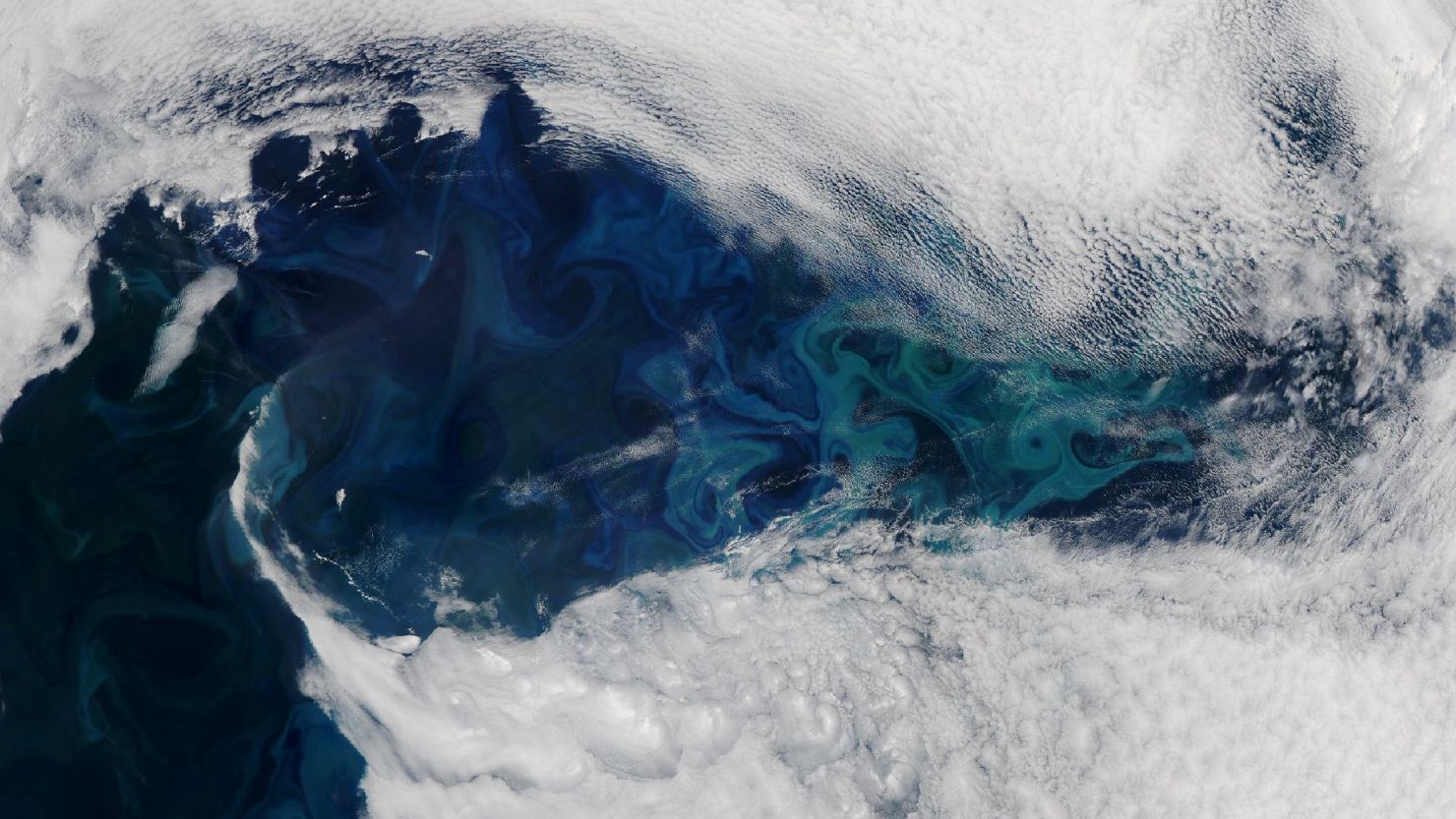
    Light blue and turquoise phytoplankton seen through the clouds highlight the ocean currents off the coast of Greenland. New research suggest an important system of these currents is at risk of collapsing as soon as next decade.

    Light blue and turquoise phytoplankton seen through the clouds highlight the ocean currents off the coast of Greenland. New research suggest an important system of these currents is at risk of collapsing as soon as next decade. NASA Earth/Shutterstock/FILE

    Several studies in recent years have suggested the crucial system — the Atlantic Meridional Overturning Circulation, or AMOC — could be on course for collapse, weakened by warmer ocean temperatures and disrupted saltiness caused by human-induced climate change.

    But the new research, which is being peer-reviewed and hasn’t yet been published in a journal, uses a state-of-the-art model to estimate when it could collapse, suggesting a shutdown could happen between 2037 and 2064.

    This research suggests it’s more likely than not to collapse by 2050.

    “This is really worrying,” said René van Westen, a marine and atmospheric researcher at the University of Utrecht in the Netherlands and study co-author.

    “All the negative side effects of anthropogenic climate change, they will still continue to go on, like more heat waves, more droughts, more flooding,” he told CNN. “Then if you also have on top of that an AMOC collapse … the climate will become even more distorted.”

    Like a conveyor belt, the AMOC pulls warm surface water from the southern hemisphere and the tropics and distributes it in the cold North Atlantic. The colder, saltier water then sinks and flows south. The mechanism keeps parts of the Southern Hemisphere from overheating and parts of the Northern Hemisphere from getting unbearably cold, while distributing nutrients that sustain life in marine ecosystems.

    The impacts of an AMOC collapse would leave parts of the world unrecognizable.

    In the decades after a collapse, Arctic ice would start creeping south, and after 100 years, would extend all the way down to the southern coast of England. Europe’s average temperature would plunge, as would North America’s – including parts of the US. The Amazon rainforest would see a complete reversal in its seasons; the current dry season would become the rainy months, and vice versa.

    An AMOC collapse “is a really big danger that we should do everything we can to avoid,” said Stefan Rahmstorf, a physical oceanographer at Potsdam University in Germany who was not involved in the latest research.

    To reach their conclusions, the scientists from Utrecht used state-of-the-art models and for the first time identified an area of the South Atlantic Ocean as the optimal place to monitor for changes in the circulation and use observational data. They looked at temperatures and ocean saltiness there to firm up previous predictions on when the AMOC might reach its tipping point.

    The emphasis in ocean research on the timing of the collapse is a relatively new development, said Rahmstorf. But it speaks to how far scientists’ understanding of the AMOC’s weakening has advanced.

    “Until a few years ago, we were discussing whether it would happen at all, as a kind of low-probability, high-impact risk,” Rahmstorf told CNN. “And now it looks a lot more likely than just a few years ago that this will happen. Now people are starting to close in on when it will happen.”

    Rahmstorf said that five or so years ago he would have agreed that an AMOC collapse this century was unlikely, though even a 10% risk is still unacceptably high “for a catastrophic impact of such magnitude.”

    “There’s now five papers, basically, that suggested it could well happen in this century, or even before the middle of the century,” Rahmstof said. “My overall assessment is now that the risk of us passing the tipping point in this century is probably even greater than 50%.”

    While the advances in AMOC research have been swift and the models that try to predict its collapse have advanced at lightning speed, they are still not without issues.

    For example, the models don’t take into consideration a critical factor in the AMOC’s demise — melting Greenland ice. Massive amounts of fresh water are sloughing off the ice sheet and flowing into the North Atlantic, which disrupts one of the circulation’s driving forces: salt.

    “You’re already getting a huge influx of fresh water into the northern Atlantic, which is going to completely disrupt the system,” Rahmstorf said.

    This research gap means the predictions could underestimate how soon or fast a collapse would happen, Rahmstof said.

    Clarification: This story has been updated to emphasize the new research is in the peer review process.

    By CNN

    THỐNG KÊ TRUY CẬP
    • Đang online 94
    • Truy cập tuần 5137
    • Truy cập tháng 2569
    • Tổng truy cập 695159